


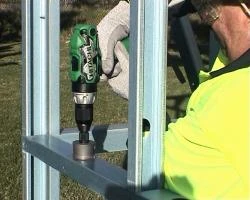
Understanding Problems With Steel Framed Homes in Australia: Myths, Facts & Practical Insights
When researching modern building materials, many homeowners come across discussions about problems with steel framed homes Australia. Although steel framing is widely known for its strength, accuracy, and durability, online conversations often include misconceptions or outdated concerns. This blog explores commonly discussed topics such as steel frame homes problems, corrosion myths, thermal performance, and other areas related to steel construction—while highlighting how trusted suppliers like Steelframestrusses address these issues with advanced engineering and high‑quality materials.
It also can help to remind yourself that these catastrophic thoughts aren’t “expressions of facts,” Rajaee said. Rather, they’re “expressions of fear”—our brain’s way of trying to protect us, she said.


1. Problems With Steel Framed Homes Australia – What People Usually Ask
- Poor installation
- Insufficient insulation
- Non‑compliant detailing by inexperienced builders
2. Steel Frame Homes Problems – Real or Misunderstood?
Online forums often discuss steel frame homes problems, but most concerns revolve around things like noise, thermal bridging, or misconceptions from older steel systems. In today’s industry, these issues are addressed through modern building practices.Commonly mentioned concerns include:- Creaking or movement noises
Proper fasteners and correct installation reduce this issue significantly. - Thermal transfer
Insulation wraps, sarking, and thermal breaks prevent heat or cold transmission. - Electrical interference
Modern steel frames do not affect Wi‑Fi or electrical systems when installed correctly.
3. Steel Framed Homes Issues Australia – What Actually Happens on Site
Typical steel framed homes issues Australia are rarely related to the frame material and more often tied to project execution. When builders ignore installation guides, issues like missing thermal breaks or incorrect bracing placement may arise. However, these concerns are easily avoided.Examples include:- Uninsulated junctions creating thermal gaps
- Incorrect fixing causing minor alignment issues
- Poorly sealed external cladding allowing moisture ingress
4. Do Steel Frame Houses Rust? Clearing Up Corrosion Concerns
A very common question is: do steel frame houses rust? Modern steel frames used in Australia are manufactured with corrosion‑resistant coatings such as zinc‑aluminium alloys that protect against rust—even in coastal or humid climates.When people ask do steel frame houses rust, it’s usually based on outdated assumptions. With correct detailing and appropriate coatings, the risk of rust is extremely low. Compliance with Australian Standards ensures that the steel used in homes is designed to last for decades with minimal maintenance.5. Are Steel Frame Homes Cold in Winter? Understanding Thermal Comfort
Another common search term is steel frame cold in winter. Steel does conduct temperature, but this does not make homes colder when they are correctly insulated. Modern construction techniques use sarking, thermal break strips, and high‑rated insulation batts to ensure energy efficiency.If homeowners report feeling steel frame cold in winter, the issue is usually missing or low‑quality insulation—not the steel frame itself. With proper installation, steel homes can achieve excellent thermal performance.6. The Steelframestrusses Advantage – Build With Confidence
Many misconceptions about steel framing come from older building methods. Today, advanced digital engineering and precision manufacturing—like those provided by Steelframestrusses—ensure a high‑quality, durable, and efficient structure. Their frames are designed to reduce common installation errors, improve energy performance, and ensure long‑term stability.Whether you’re researching problems with steel framed homes Australia or comparing materials for your next project, steel framing remains a reliable, future‑ready option backed by strong engineering and proven performance.Should You Avoid Steel‑Framed Homes? Not Necessarily.
Despite the problems with steel‑framed homes in Australia, steel remains one of the strongest, safest, and most future‑ready framing materials available today.
It’s ideal for:
- Bushfire‑prone areas
- Termite‑dense regions
- High‑wind zones
- Modern architectural designs
The key is choosing experienced installers, high‑quality materials, and proper thermal + moisture design.
More you can visit
Avoid These 10 Mistakes When Choosing Steel Frames & Trusses Suppliers – Steel Frames And Trusses
Final Thoughts
Steel‑framed homes come with challenges—especially thermal performance issues, condensation risks, corrosion, noise, and renovation limitations—but these can be managed with the right engineering and materials. Before deciding, homeowners should weigh both the benefits and drawbacks to ensure their home performs well in Australia’s unique climate.

